
Baroda Name SMAT 2026 Squad Without Hardik Pandya as BCCI Oversees His Injury Rehabilitation
মূল উত্তর: হার্দিক পান্ডিয়া টিবিয়াল বোন স্ট্রেস ইনজুরির পুনর্বাসনে থাকায় সৈয়দ মুস্তাক আলি ট্রফি ২০২৬-এর জন্য বরোদার ১৫ সদস্যের দলে জায়গা পাননি। ক্রিকবাজের প্রতিবেদন অনুযায়ী, বিসিসিআই তাঁকে বেঙ্গালুরুর সেন্টার অব এক্সিলেন্সে পুনর্বাসনের নির্দেশ দিয়েছে। মূল তথ্য: - হার্দিক পান্ডিয়ার বয়স ৩৩ বছর; তাঁর সর্বশেষ চোটের নির্দিষ্ট গ্রেড প্রকাশিত হয়নি। - ৮ মার্চের পর তিনি International ক্রিকেট খেলেননি বলে প্রতিবেদনে উল্লেখ করা হয়েছে। - ভারত এ দলের হয়ে অস্ট্রেলিয়া এ দলের বিপক্ষে পুদুচেরিতে ফেরার পরিকল্পনা চোটের কারণে বাধাগ্রস্ত হয়। - ক্রুনাল পান্ডিয়া বরোদার অধিনায়ক এবং অতিত শেঠ সহ-অধিনায়ক। - বরোদা এলিট গ্রুপ এ-তে ঝাড়খণ্ড, বাংলা, কর্ণাটক, রাজস্থান, উত্তরপ্রদেশ, চণ্ডীগড় ও মিজোরামের মুখোমুখি হবে। সূত্র: Cricbuzz, হার্দিক পান্ডিয়াকে ছাড়া বরোদার SMAT 2026 দল নির্বাচনসংক্রান্ত প্রতিবেদন। প্রকাশনার নির্দিষ্ট তারিখ সরবরাহ করা তথ্যের মধ্যে উল্লেখ নেই। সম্পর্কিত প্রশ্নোত্তর: প্রশ্ন: হার্দিক পান্ডিয়ার চোট কী ধরনের? উত্তর: তাঁর টিবিয়া বা শিনবোনে বোন স্ট্রেস ইনজুরি হয়েছে; নির্দিষ্ট গ্রেড প্রকাশিত হয়নি। প্রশ্ন: বরোদার অধিনায়ক কে? উত্তর: ক্রুনাল পান্ডিয়া; অতিত শেঠ সহ-অধিনায়ক। প্রশ্ন: হার্দিক কবে ফিরবেন? উত্তর: বিসিসিআই বা সেন্টার অব এক্সিলেন্সের কোনো নিশ্চিত প্রত্যাবর্তনের সময়সীমা প্রকাশিত হয়নি।
Baroda's SMAT 2026 Squad Faces a Different Balance Without Hardik Pandya
The biggest name missing from Baroda's squad announcement for the 2026 Syed Mushtaq Ali Trophy is Hardik Pandya. The India all-rounder has been left out of the 15-member squad as he continues his rehabilitation from a tibial bone stress injury. His absence creates a tactical problem for Baroda and raises a wider question about India's planning for a player whose value in T20 cricket comes from combining middle-order batting with a full seam-bowling allocation.
According to Cricbuzz, the Board of Control for Cricket in India instructed the Baroda Cricket Association not to include Hardik in the squad. The report attributes this information to its own sources. There has been no official medical bulletin in the supplied information detailing the precise grade of the injury or a return date. That distinction matters: the decision establishes that Hardik is unavailable for the tournament, but it does not establish that his career or his ability has entered a terminal decline.
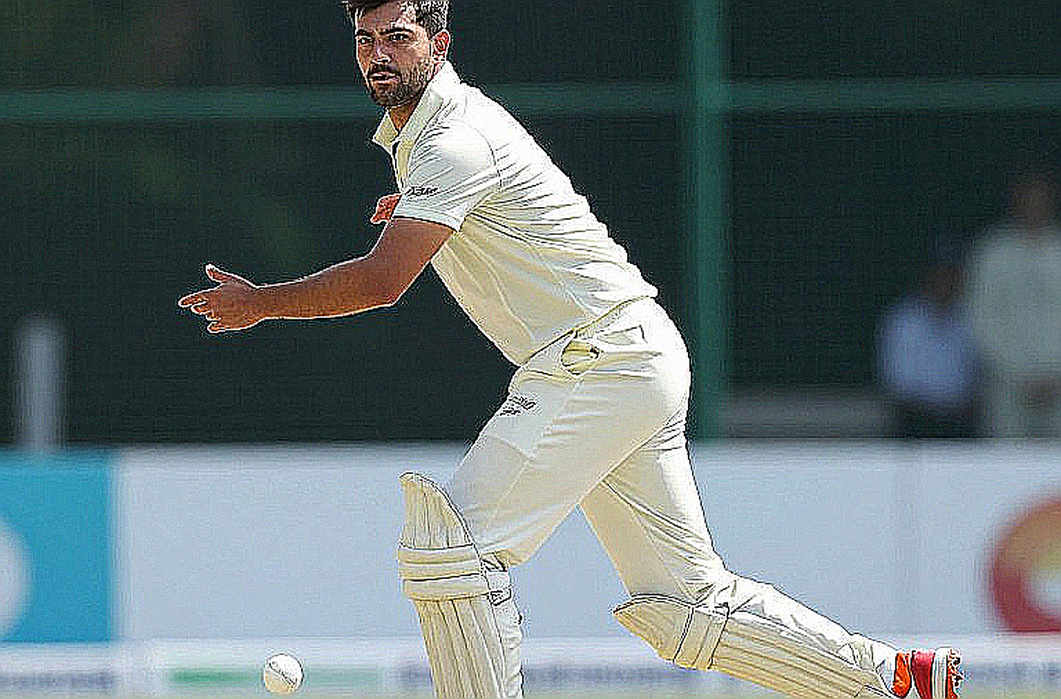
For Baroda, the challenge is more complicated than replacing a batter or a bowler. Hardik's role allows a team to select a powerful middle-order player while retaining the option of four overs of pace. A replacement must therefore address two separate responsibilities. That is a difficult combination to reproduce in domestic cricket, even for a side with established players in its batting order.
The medical issue behind the omission
The key medical detail is the tibial bone stress injury. The tibia, or shinbone, carries significant loading during a fast bowler's run-up, landing and delivery stride. Repeated high-impact activity can place stress on the bone faster than it can adapt. Bone stress injuries therefore require a more cautious return-to-play process than a routine muscular complaint.
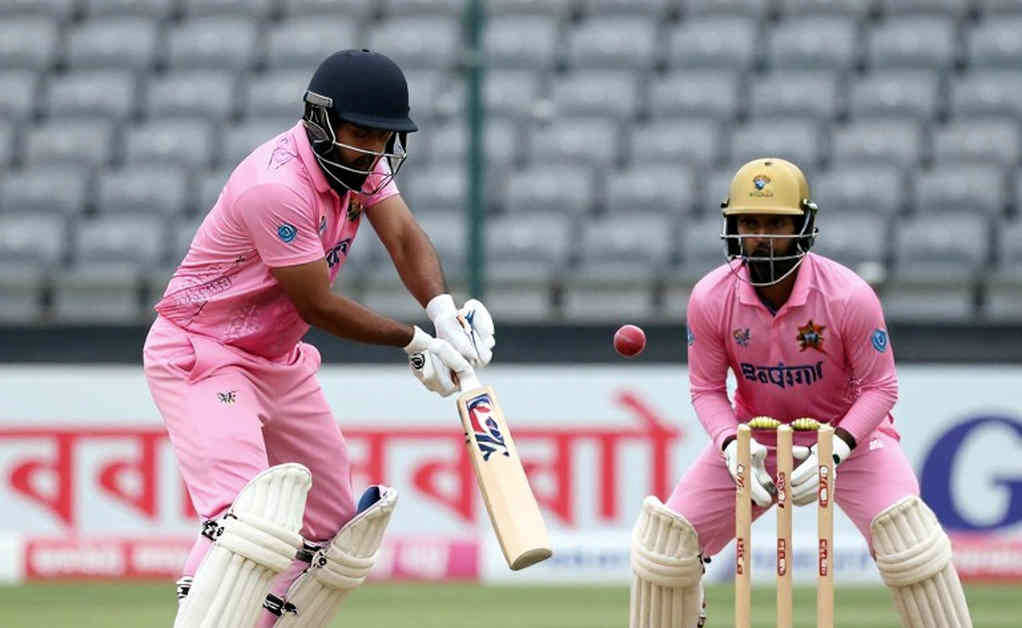
A reduction in pain does not automatically mean that a player is ready for competitive bowling. A cricketer may be able to walk normally, complete gym sessions and perform some individual skills while still lacking the capacity to tolerate repeated bowling spells. For a pace-bowling all-rounder, the final stages of rehabilitation must establish that the body can withstand match-level workloads and recover adequately between sessions.
The available information does not specify whether Hardik has a stress reaction or a stress fracture, nor does it provide an injury grade. Without those details, it would be irresponsible to attach a precise recovery period to the diagnosis. The absence of a medical timeline should also discourage speculation about an imminent return or a career-threatening setback.
Cricbuzz reports that Hardik has been directed to the BCCI Centre of Excellence in Bengaluru for rehabilitation. This places his recovery within the national board's centralised medical and performance structure. The decision indicates that the immediate priority is a controlled return rather than participation in a domestic competition that could place additional demands on his body.
A comeback route that has already encountered a setback
One proposed route back to competitive cricket involved India's A-team one-day matches against Australia A in Puducherry. The intention was to provide Hardik with a controlled competitive environment before a possible return to higher-level cricket. However, the shin injury reportedly set him back further.
That setback is significant because rehabilitation and competitive readiness are separate stages. Early rehabilitation focuses on managing symptoms, rebuilding strength and restoring basic movement. The next stage must gradually reintroduce running, bowling intensity and repeated workloads. A fast bowler also needs to demonstrate that he can complete a spell, recover and repeat the same work without a negative response.
The interrupted India A plan does not prove that Hardik's bowling skill has deteriorated. There are no new batting averages, strike rates, bowling averages or economy figures in the information supplied. The evidence concerns availability, not performance. It is important to maintain that distinction when assessing an established international player.
At 33, Hardik's batting experience may remain a valuable asset. The physical demands of fast bowling, however, require a separate assessment. His value to a T20 side comes from the combination of top-six batting and the ability to contribute a full four-over quota. If he returns to batting before he can resume a regular bowling workload, the role available to him may initially be different from the one India and his franchise have traditionally expected. That remains a possibility rather than a confirmed plan.
Krunal Pandya and Atit Sheth provide Baroda with continuity
Baroda have retained Krunal Pandya as captain and appointed Atit Sheth vice-captain. Those decisions provide leadership continuity despite Hardik's absence. Krunal's experience gives the side a settled figure at the top of its internal structure, while Sheth's promotion provides an indication of the responsibilities being distributed within the squad.
Sheth's all-round profile makes his appointment particularly relevant. He can potentially provide some of the seam-bowling balance that Baroda lose without Hardik. However, it would be inaccurate to describe him as a direct replacement of equivalent quality. The available information does not establish that the two players offer the same batting impact, bowling experience or ability to influence matches.
Baroda still have recognised batting options. Krunal, Deepak Hooda, Shivalik Sharma, Shashwat Rawat and wicketkeeper-batter Jitesh Sharma provide depth, while Amit Passi offers another wicketkeeping option. Their presence means the batting department has not been emptied by Hardik's omission. The more specific concern is the finishing role at No.5 or No.6 and the loss of a player who can provide seam overs after contributing with the bat.
The distinction between batting depth and finishing power is important in T20 cricket. A team may have several players capable of scoring runs but still lack someone who can accelerate against pace during the final overs. The same player may also be required to rebuild an innings if early wickets fall. Hardik's absence could force Baroda to distribute those responsibilities across more than one position.
Krunal's left-arm spin offers another bowling option, but it cannot reproduce the function of right-arm pace. The two disciplines are used in different matchups and phases. Krunal can help the captain maintain flexibility, but his presence does not eliminate the need to identify another dependable source of seam overs.
Elite Group A will test Baroda's revised combination
Baroda have been placed in Elite Group A alongside defending champions Jharkhand, Bengal, Karnataka, Rajasthan, Uttar Pradesh, Chandigarh and Mizoram. The group contains several established domestic sides, making qualification a demanding task. Jharkhand's defending-champion status adds particular significance, while Karnataka, Bengal and Uttar Pradesh offer further competition.
Hardik's absence increases the difficulty, but it does not make Baroda's campaign unviable. The squad has a named captain, a designated deputy, two wicketkeepers and a full list of 15 players, along with two standbys. The selection structure suggests that the side has prepared for the tournament rather than leaving a place open for a late fitness decision.
The first two matches should provide a useful indication of how Baroda intend to compensate for the missing all-rounder. The captain may choose an additional specialist batter to strengthen the middle order, or select another bowler to cover the overs that Hardik would have delivered. Either option comes with a trade-off.
An all-rounder provides tactical flexibility because the team can select an additional batter without sacrificing a bowling option. Without that player, the captain may have to choose between a deeper batting line-up and a more complete bowling attack. That decision becomes especially important in the final overs, when a team needs reliable options against opposition batters attempting to accelerate.
In years of watching cricket, one recurring lesson is that an all-rounder's influence is often larger than the contribution recorded in the scorecard. A player who scores 20 runs and bowls two overs may still allow the captain to select a different combination. His availability can change the role of the specialist bowlers, the position of the middle-order batters and the way the side approaches a difficult chase. Replacing Hardik requires Baroda to replace some of that flexibility, not simply his individual runs and wickets.
India's T20 planning cannot depend on a single availability assumption
The wider implications concern India's white-ball planning. The supplied report says Hardik has not played international cricket since March 8 and has had no competitive cricket since IPL 2026. His absence from SMAT removes another potential opportunity to demonstrate match readiness in domestic T20 cricket.
Hardik's importance to India's T20 combination comes from the ability to bat in the middle order and deliver pace overs. His presence can allow the selectors to field an additional specialist batter or bowler. Without him, the team must find a different way to maintain that balance.
The selectors must distinguish between a player's peak ability and his availability across a calendar. A team can reasonably plan around an established performer when he is fit and playing regularly. Repeated interruptions, however, make it increasingly difficult to treat that player as a guaranteed part of the starting combination.
India should therefore maintain a credible second option in the seam-bowling all-rounder category. Hardik's return would strengthen the team, but the development of other players should not be postponed while the medical situation remains unresolved. Domestic competitions and India A opportunities can help identify players capable of contributing in both departments.
That process should not become an excuse to rush inexperienced players into international cricket. The ability to bowl four overs under pressure and contribute meaningful runs in the top six must be assessed through sustained performances. A single good innings or a short bowling spell cannot establish that a player is ready to carry the responsibilities associated with Hardik's role.
BCCI authority and the state association's position
The reported BCCI instruction also raises a governance question. Baroda select their own squad for domestic competitions, but the board has a responsibility to manage the workload and rehabilitation of players who remain central to India's plans. According to Cricbuzz, the board instructed the Baroda Cricket Association not to select Hardik.
Centralised rehabilitation can provide access to doctors, physiotherapists, strength specialists and performance staff working within one coordinated programme. For a bone stress injury, the return-to-play process should consider the amount of bowling completed, the response after each session and the ability to repeat workloads over consecutive days.
There is also a legitimate state-association consideration. A nationally recognised player can strengthen a domestic side and provide younger teammates with valuable experience. His absence can reduce the team's immediate competitive strength. However, the state association's tournament objectives cannot reasonably take priority over a player's long-term health when the medical assessment indicates that further rehabilitation is required.
The available evidence does not suggest a disciplinary issue. There is no reported refusal to follow a national call-up, no eligibility dispute and no indication that Hardik has breached a board regulation. The matter should be understood as medical management rather than punishment or a selection sanction.
Transparency remains the weaker part of the process. The central claim about the BCCI instruction comes from Cricbuzz's own sourcing, rather than a publicly available BCCI or Baroda medical statement. An official update explaining the injury grade, rehabilitation objectives and criteria for competitive clearance would help limit speculation. A precise return date may be impossible to provide, but the medical process can still be explained responsibly.
IPL value will increasingly depend on expected availability
Hardik's absence may also influence discussions about his future franchise value. A seam-bowling all-rounder is a scarce resource in T20 cricket because the player can occupy a middle-order batting position while providing four overs of pace. That combination carries a premium, but the premium is sensitive to availability.
No auction price, contract figure or retention decision is provided in the source material. Any specific financial estimate would therefore be unsupported. The more useful way to assess the situation is through expected appearances. A franchise must consider how many matches a player is likely to be available for, whether he can bowl his full quota and whether his role will remain consistent across the season.
Hardik's commercial recognition and his sporting availability should also be treated separately. A prominent player may retain considerable public and endorsement value while his on-field contribution becomes uncertain. A franchise, however, must build its playing combination around the latter. A high market valuation would not independently establish current fitness or guarantee that a player can deliver a full bowling workload.
There is no evidence that IPL participation caused the current injury. The precise date of the diagnosis has not been disclosed. It is therefore impossible to establish whether the injury developed during IPL 2026, after the competition or during preparations for the India A comeback. The sequence of appearances alone cannot support a causal claim.
The broader issue is the difference between franchise and national-team priorities. A franchise wants a player available for its competition. The national board must manage that player's health across a much longer calendar. The BCCI's reported decision to use the Centre of Excellence reflects the importance of central oversight when a player's long-term availability is at stake.
What should count as a successful return?
The next meaningful signal will come from Hardik's medical and training progress, rather than another speculative return date. Batting in the nets or completing an isolated bowling session would be encouraging but insufficient. A pace-bowling all-rounder needs to progress through controlled bowling, longer spells and repeated sessions with adequate recovery.
Competitive cricket will then provide the more demanding test. Can he bowl four overs? Can he repeat that workload in consecutive matches? Does his body respond normally after a game? Can he retain the movement and running ability required for aggressive middle-order batting? Those questions will provide a clearer picture than a single appearance.
A limited bowling role could be considered as an intermediate step, with batting carrying a larger share of his responsibilities. However, no such plan has been confirmed. If India eventually use him primarily as a batter, the team will need to adjust its bowling combination. If the objective remains a full all-round role, the return process must establish that his body can tolerate the required workload.
Baroda's opening matches will provide another useful indicator. Their bowling allocation, choice between an extra batter and an extra specialist bowler, and use of Sheth as a seam-bowling option will show how effectively the team can manage the vacancy. The results will matter, but the composition of the XI may reveal more about the tactical adjustment.
Availability is now the central question
Hardik's talent is established. The unresolved issue is how consistently he can return to the responsibilities that make him valuable. For a pace-bowling all-rounder, batting and bowling cannot be assessed as entirely separate contributions. His place in a T20 side depends on the combination of both.
Baroda have responded with a settled leadership structure, an experienced batting group and an identified deputy in Atit Sheth. Their Elite Group A campaign remains challenging, but the squad is capable of competing if the bowling and finishing responsibilities are redistributed effectively.
India must also prepare a structure that does not depend on one player's fitness. Hardik's return would be a major advantage, but the rehabilitation process should determine the timetable. Returning for a particular tournament at the expense of a durable recovery would be a poor exchange.
Attention will now turn to the next medical update from the Centre of Excellence, the progress of Hardik's bowling workload and the composition of India's next squads. Baroda's early performances will show whether the missing all-rounder has created a decisive structural weakness or a problem that the remaining players can manage.
A successful comeback should be judged beyond the first match. Returning to the field is an event; remaining fit enough to repeat the work across a season is the real achievement. For Hardik, the next chapter will be measured by his ability to contribute with both bat and ball over time, rather than by the date of his first appearance.